
Recommendations
Handpicked beauty and wellness essentials just for you
Women’s Foot Care and Hygiene: Health, Comfort, and Dermatological Well‑Being
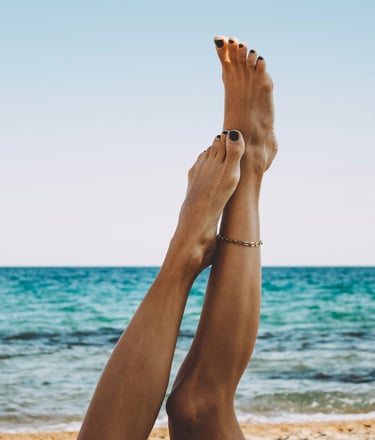
Women’s feet endure constant mechanical stress: prolonged standing, tight footwear, high heels, friction, and moisture accumulation. Despite this, they are often one of the most neglected areas of personal care. Inadequate foot hygiene can lead to severe dryness, cracked heels, calluses, fungal infections, malodor, and chronic discomfort. Modern dermatology emphasizes the importance of a structured routine that includes cleansing, exfoliation, hydration, and protection to maintain both foot health and aesthetic appearance.
1. Prevention of Infections
Warm, moist environments inside shoes promote the growth of fungi and bacteria. Proper hygiene significantly reduces the risk of athlete’s foot, odor, peeling, and interdigital infections.
2. Control of Dryness and Heel Cracking
The skin on the heels is naturally thicker and prone to dehydration. Without adequate moisturization, painful fissures may develop, increasing the risk of secondary infections.
1. Deep Exfoliation and Heel Renewal
PRETTYSKIN – Baby Heel Peeling Mask (10 ml)
This exfoliating mask uses gentle acids to dissolve dead skin and remove calluses. It is ideal for women with rough, dry, or thickened heels.
Key Benefits:
Safe chemical exfoliation
Noticeably smoother heels within days
Reduces cracks and roughness.
3. Improved Comfort and Mobility
Healthy feet enhance posture, reduce fatigue, and prevent discomfort during daily activities.
Why Proper Foot Care Matters
4. Aesthetic and Emotional Well‑Being
Soft, smooth, well‑maintained feet contribute to a woman’s overall sense of confidence and personal care.
Dermatology‑Based Foot Care Routine for Women
Below is a professional routine supported by dermatological principles and complemented with high‑performance products designed to exfoliate, hydrate, and repair the skin.
Additional Foot Hygiene Recommendations
Wash feet daily with warm water and mild soap.
Dry thoroughly between the toes to prevent fungal infections.
Choose breathable socks (cotton or moisture‑wicking fabrics).
Rotate footwear to reduce moisture buildup.
Gently file calluses once a week.
Avoid walking barefoot in public areas.
Conclusion
Foot care is an essential component of women’s overall health and well‑being. With a consistent routine and high‑quality products, it is possible to maintain feet that are soft, healthy, and free from discomfort year‑round. The recommended products—from exfoliating masks to intensive repair creams—offer effective solutions for every level of dryness and foot care need.
Final Note
Vitabeautyhealth consistently provides the best health and beauty guidance for women, offering reliable, up‑to‑date information to help you care for every part of your body with confidence.
Creatine for women: real benefits, myths, and how to take it.
Creatine is one of the most researched supplements in the world, yet many women still have doubts: Does it cause bloating? Does it make you gain weight? Is it safe? Can it help with toning or glute growth? The truth is that creatine is a powerful, safe, and highly effective ally for active women of all ages, including those who train regularly, want to tone their body, or are going through perimenopause or menopause.
This guide provides clear, updated, and science‑based information specifically for women.


What Does Creatine Do in a Woman’s Body?
Creatine is a natural molecule found in the muscles and, to a lesser extent, in the brain. Its main function is to produce quick energy during high‑intensity activities such as weight training, HIIT, sprints, or strength‑focused workouts.
In women, its benefits are especially valuable:
Helps preserve muscle mass, even during calorie deficits
Reduces fatigue and improves endurance
Increases strength and training performance
Enhances muscle tone and firmness
Supports bone and cognitive health during menopause
Sports nutrition expert Dr. Susan Kleiner (2021) states that creatine is “one of the safest and most beneficial supplements for active women.
Creatine for Women: Debunking the Myths
“Creatine causes bloating”
The initial water retention is intracellular, meaning inside the muscle. This does not cause visible bloating. Instead, it improves muscle hydration, strength, and recovery.
“Creatine makes you gain weight”
You may gain 0.5 to 1 kg, but this is not fat:
It’s water stored inside the muscle
And over time, more lean muscle mass
More muscle = higher metabolism.
What Type of Creatine Should Women Take?
The most recommended form is creatine monohydrate, because it is:
The most researched
The most effective
The most affordable
The most stable and safest
Researcher Brad Schoenfeld (2023) explains:
“Ninety‑nine percent of positive creatine studies have been done with monohydrate. Everything else is marketing.”
The ISSN (International Society of Sports Nutrition) supports the same conclusion.
Creatine for Women Who Want to Tone or Grow Glutes
Many women train with an aesthetic goal: firmer glutes, stronger legs, and a more athletic body. Creatine enhances this process because it:
Increases strength in key exercises (squats, hip thrusts, deadlifts)
Allows you to train with more intensity
Improves recovery so you can progress faster
Creatine does not “go to the glutes”, but it helps you train harder, which is what actually builds muscle in that area.
How to Take Creatine for the First Time
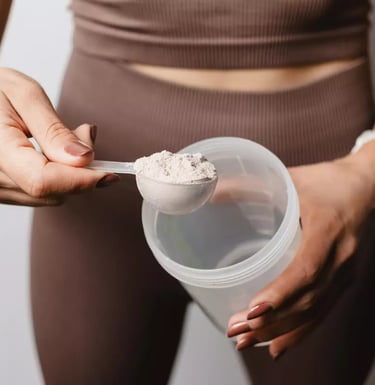
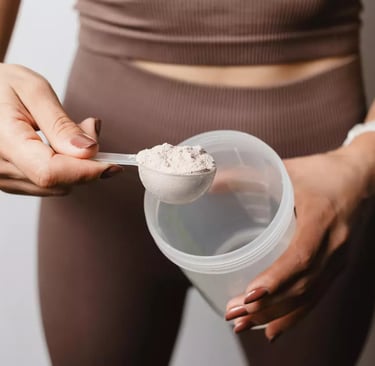
You do not need a loading phase. Scientific evidence shows that the most practical and effective approach is to take 3–5 grams daily, every day, consistently. You can take it after your workout or with a meal containing carbohydrates to enhance absorption.
Many women mix it with water, juice, or their post‑workout protein shake. The exact timing is not important—consistency is what produces results.
Recommended Product for Beginners
Drasanvi Sport Live – 100% Creatine Monohydrate (300g) A pure, high‑quality monohydrate creatine ideal for women who train strength, want to tone their body, or aim to improve performance. It dissolves easily and allows precise daily dosing.
It’s an excellent choice for women starting creatine and looking for noticeable improvements in energy, strength, and recovery.
How to Take Creatine to Grow Glutes
Combine creatine with a glute‑focused routine that includes:
Hip thrusts
Deep squats
Weighted step‑ups
Romanian deadlifts
Creatine does not grow the glutes by itself, but it gives you the strength and energy to train harder—accelerating muscle development in that area.
SUMMARY: Creatine for Women
It is safe, effective, and science‑backed
Improves strength, energy, and performance
Protects muscle during calorie deficits
Helps tone and build glutes
The best form is creatine monohydrate
Recommended dose: 3–5 g daily, no loading phase
The key is consistency
Complete Professional Guide to Improving Acne: Causes, Treatments, and Recommended Products
Introduction
Acne is one of the most common and frustrating skin conditions. It affects both teenagers and adults, and it can impact self‑esteem, confidence, and overall quality of life. Over the years, I have tried different routines, ingredients, and products. In this guide, I want to share a complete, professional, and experience‑based approach to help you improve your skin safely and effectively.

What Is Acne and Why Does It Appear?
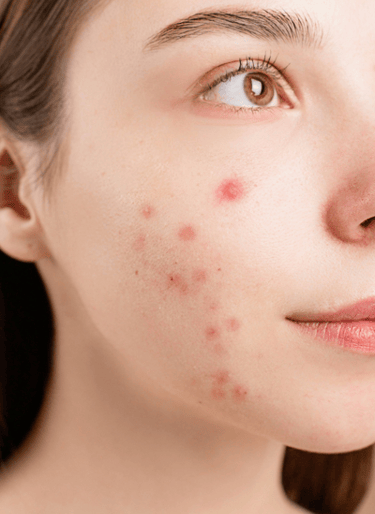
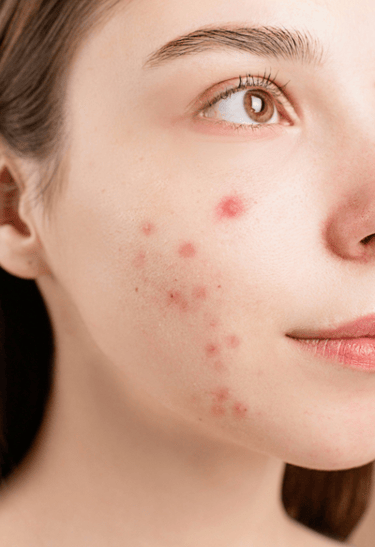
Acne occurs when pores become clogged with sebum, dead skin cells, and bacteria. This leads to inflammation, blackheads, whiteheads, and painful pimples.
The most common causes include:
Excess oil production
Hormonal changes
Stress
Diet high in sugar and dairy
Using the wrong skincare products
Poor cleansing habits
Genetic factors
Understanding the cause is essential for choosing the right treatment.
Rohto Mentholatum – Acnes Acne Treatment (18 g)
This lightweight acne treatment helps reduce inflammation, calm active breakouts, and prevent new blemishes. Its fast‑absorbing formula is ideal for oily and acne‑prone skin.
Why it works:
Targets acne‑causing bacteria
Reduces redness and swelling
Helps prevent future breakouts
Professional insight: This product is excellent for daily spot treatment, especially for mild to moderate acne.
LION – Pair Acne Cream W (14 g)
This gentle yet effective cream helps calm inflamed pimples, reduce redness, and speed up skin recovery. Its antibacterial formula targets the root causes of acne without irritating the skin.
Benefits:
Reduces inflammation
Helps heal active pimples
Prevents new breakouts
Professional insight: Ideal for sensitive skin that reacts poorly to stronger acne treatments.
SOME BY MI – AHA·BHA·PHA 30 Days Miracle Acne Clear Body Cleanser (400 g)
This body cleanser is designed specifically for body acne. Its AHA, BHA, and PHA formula gently exfoliates, unclogs pores, and smooths rough skin while calming inflammation.
Benefits:
Reduces back and chest acne
Removes dead skin cells
Prevents clogged pores
Professional insight: Perfect for people dealing with body acne caused by sweat, friction, or hormonal changes.
Professional Daily Routine to Improve Acne
A consistent routine can transform your skin within weeks.
1. Gentle Cleanser (morning and night)
Cleansing removes excess oil, bacteria, and impurities that worsen acne.
Benefits:
Prevents clogged pores
Reduces breakouts
Prepares the skin for treatment.
2. Balancing Toner
A toner helps regulate oil production and calm inflammation.
Recommended ingredients:
Salicylic acid
Witch hazel
Niacinamide
3. Targeted Acne Treatment
Active ingredients are essential for reducing breakouts and inflammation.
⭐ Salicylic Acid
Unclogs pores and reduces blackheads.
⭐ Benzoyl Peroxide
Eliminates acne‑causing bacteria.
⭐ Retinol
Renews the skin and reduces acne marks.
⭐ Niacinamide
Controls oil and reduces redness.
LION – Pair Acne Cream W (14 g)
Advanced Japanese treatment for inflamed facial acne
Why it works
Contains ibuprofen piconol, a topical anti‑inflammatory clinically used to reduce redness and pain.
Includes isopropylmethylphenol, an antibacterial agent effective against Cutibacterium acnes.
Lightweight texture ideal for sensitive or irritation‑prone female skin.
Global availability
✔ United States ✔ Latin America ✔ Europe ✔ Asia ✔ Australia
My Personal Experience
For years, I struggled with constant breakouts. What helped me the most was:
Using salicylic acid three times a week
Switching to an oil‑free moisturizer
Reducing dairy
Being consistent with sunscreen
Avoiding touching my face
Within four weeks, I noticed less inflammation and fewer breakouts. After eight weeks, my skin looked much more balanced.
Common Mistakes That Make Acne Worse
Using too many products at once
Over‑exfoliating
Sleeping with makeup
Using heavy creams
Skipping sunscreen
Avoiding these mistakes speeds up recovery.
Professional Treatments
If your acne persists, consider:
Deep cleansing facials
Chemical peels
Laser treatments
Dermatologist‑prescribed therapies
These are safe and effective options when basic routines are not enough.
Rohto Mentholatum – Acnes Acne Treatment (18 g)
Targeted formula for active breakouts and excess oil
Why it works
Contains sulfur and resorcinol, two classic dermatological ingredients known for drying active lesions.
Helps regulate sebum production and speeds up skin recovery.
Excellent for sudden hormonal breakouts.
Global availability
✔ United States ✔ Latin America ✔ Europe ✔ Asia ✔ Australia
Types of Acne
Knowing your acne type helps you choose the right products:
Comedones: blackheads and whiteheads
Papules: red, inflamed bumps
Pustules: pimples with pus
Nodules: deep, painful lesions
Cysts: severe, persistent acne
If you experience nodules or cysts, consulting a dermatologist is recommended.
Your Recommended Products (professionally integrated)
Below are your actual products, rewritten with professional, original, and SEO‑optimized descriptions.
SOME BY MI – AHA‑BHA‑PHA 30 Days Miracle Acne Clear Body Cleanser (400 g)
The best ally for female body acne
Why it works
Combines AHA, BHA, and PHA, chemical exfoliants that unclog pores, smooth texture, and prevent breakouts.
Contains tea tree extract, known for its antimicrobial action.
Ideal for women who exercise, sweat frequently, or wear tight clothing.
Global availability
✔ United States ✔ Latin America ✔ Europe ✔ Asia ✔ Australia
Additional Tips That Truly Work
Change your pillowcase every 3 days
Avoid touching your face
Do not pop pimples
Reduce sugar and dairy intake
Clean your phone regularly
Use sunscreen daily
Conclusion
Acne can improve significantly with the right routine, consistency, and effective products. There is no magic solution, but there is a clear path to achieving cleaner, more balanced, and healthier skin. The key is patience and avoiding practices that irritate the skin.
If you follow this guide, you will see real changes within a few weeks.
Practical and thoughtful advice for women who want to build a healthy relationship and find a good man.
1. Start With Yourself
Self‑knowledge Before entering a relationship, it’s essential to understand who you are, what you value, and which boundaries you are not willing to compromise. Knowing your priorities helps you choose from clarity rather than from emotional need.
Personal confidence A good man doesn’t come to “complete” your life—he comes to share it. Confidence in yourself attracts balanced, mature, and emotionally healthy relationships.
2. What to Observe in Him
Consistency between words and actions What he says matters, but what he does reveals his true character. Pay attention to his behavior, not just his promises.
Respect A good man respects your opinions, your personal space, and your decisions. He values your individuality rather than trying to control it.
Emotional responsibility He doesn’t run away from problems. Instead, he faces challenges with maturity, openness, and accountability.
Generosity and empathy He genuinely cares about your well‑being and shows kindness toward others. Empathy is a sign of emotional intelligence and long‑term stability.
3. How to Build the Relationship
Clear communication Open conversations about expectations, dreams, and concerns help prevent misunderstandings and strengthen emotional connection.
Reciprocity A healthy relationship is not about giving everything or receiving everything—it’s about balance. Both partners contribute and both partners grow.
Time and patience Good men don’t always appear quickly. Quality reveals itself over time, not in the first impression.
4. What to Avoid
Idealizing No one is perfect. Avoid creating unrealistic expectations or searching for a “fairytale prince.” Look for someone real, consistent, and emotionally present.
Settling out of fear of loneliness Being alone is better than being poorly accompanied. Never choose a relationship that diminishes your peace or self‑worth.
Ignoring red flags Disrespect, manipulation, emotional irresponsibility, and instability are warning signs that should never be overlooked.
💄🌿 Nurture your health, your beauty, and your soul.
A healthy relationship begins with you—how you care for yourself, how you value your time, and how you protect your inner peace.